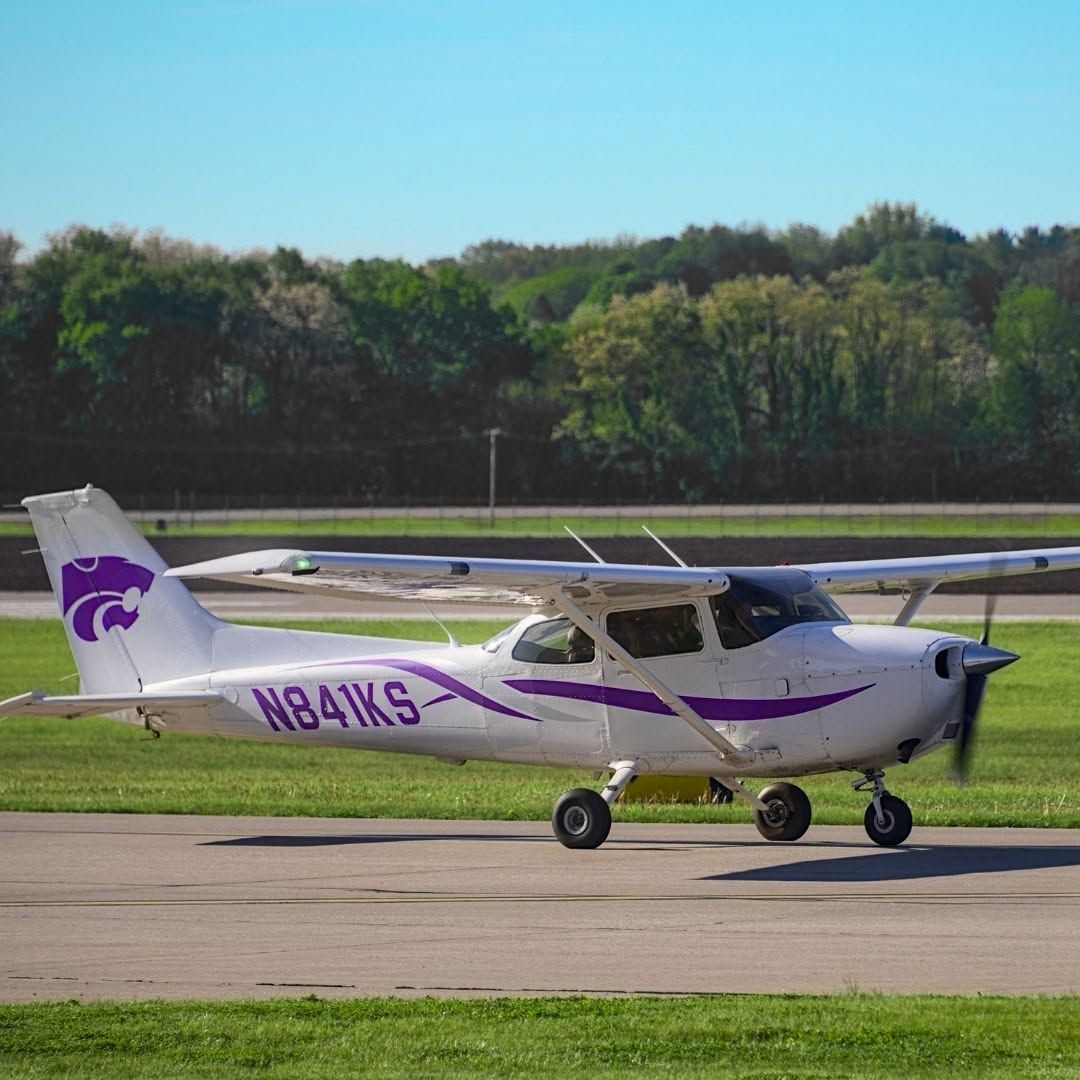
Picture credits: Kansas State University Salina
 Click to view
November 10, 2026
Kansas, USA – Kansas State University Salina has received Federal Aviation Administration (FAA) self-examining authority for instrument ratings, allowing students in its approved training program to complete their final assessments internally rather than undergoing a separate practical test with a Designated Pilot Examiner (DPE). Announced on November 9, 2026, the approval is expected to reduce certification costs and examination delays for students progressing through the university's professional pilot training program.
- The university estimates that the change could save individual students up to US$1,000 in external examiner fees. Students will also no longer need to schedule an instrument rating practical examination around DPE availability, allowing assessments to take place when they have completed the required training and are ready for evaluation.
- Under the new authorisation, the university's Chief Flight Instructor or Assistant Chief Flight Instructor can administer the required end-of-course assessment. Students who successfully complete the approved course can be recommended for their instrument ratings without a separate FAA practical test.
- To qualify for self-examining authority under 14 CFR Part 141, the university was required to meet several regulatory conditions:
- Hold the relevant FAA-approved training course rating for at least 24 consecutive calendar months.
- Train and recommend at least 10 students for the relevant rating during the preceding 24 months.
- Achieve a first-attempt pass rate of at least 90% for the applicable examinations during that period.
- Demonstrate compliance with the FAA's approved training course and examining authority requirements.
- K-State Salina Aviation Department Head Tysen Pina reported that more than 100 students had passed their practical examinations on the first attempt during the preceding two years.
- K-State Salina already holds FAA self-examining authority for Private Pilot Certificates. The latest approval extends the university's internal assessment capabilities to instrument ratings.
- K-State Salina's professional pilot program operates under FAA Part 141 and enables eligible graduates to pursue Restricted Airline Transport Pilot (R-ATP) certification at 1,000 or 1,250 flight hours, depending on their academic pathway. The university's instrument rating curriculum includes a minimum of 35 hours of instrument training, with its wider training infrastructure comprising Cessna 172, Piper Seminole and Super Decathlon aircraft supported by Redbird and L3Harris flight training devices.
Statements
- “Examining authority is earned, and this designation is a testament to what we have built at K-State. Our students have worked so hard to improve every day, and they have demonstrated remarkable knowledge and grit during this process. More than 100 students over the last two years passed the practical exam on their first try. This speaks to the overall excellence of not just our students but their flight instructors and aviation faculty as well,” said Tysen Pina, Aviation Department Head at Kansas State University Salina.
About Kansas State University Salina
Kansas State University Salina, also known as the K-State Aerospace and Technology Campus, is a US aviation and technical higher education institution located at Salina Regional Airport in Kansas. Its professional pilot bachelor's degree program provides FAA Part 141 flight training, combining academic instruction with practical aircraft and simulator training. The university reports a professional pilot training inventory of more than 30 aircraft and flight training devices across its wider operations, including five Cirrus SR20 aircraft at its New Century AirCenter training location in Gardner, Kansas.
Source: Kansas State University Salina
You may also check our Terms and Conditions for our Content Policy. Searching for specific information - kindly contact us to see if we can assist you.
Related News
Share
Loading Ad...
Recommend this Post
Please fill out the form below and the AFM platform will send this post via email to your preferred recipient